The Ultimate Guide to Choosing the Right Refrigerator for Your Home
Intro
Picking a refrigerator is a substantial decision for any household. With a variety of options offered, determining the best design for your needs can be intimidating. This guide will check out numerous refrigerator types, essential functions, and pointers for making a knowledgeable purchase. Whether you are moving into a brand-new home or simply wanting to change an old design, this details will assist in picking the fridge that best suits your lifestyle.
Types of Refrigerators
When searching for a refrigerator, understanding the various types offered can streamline the selection process. Here's a breakdown of some typical refrigerator types:
| Refrigerator Type | Description |
|---|---|
| Top-Freezer | Among the most conventional designs, with the fridge section on top and the freezer listed below. |
| Bottom-Freezer | Features the fridge on top for simple access, with the freezer situated below. |
| Side-by-Side | Includes 2 vertical compartments; one for the fridge and one for the freezer, permitting more company. |
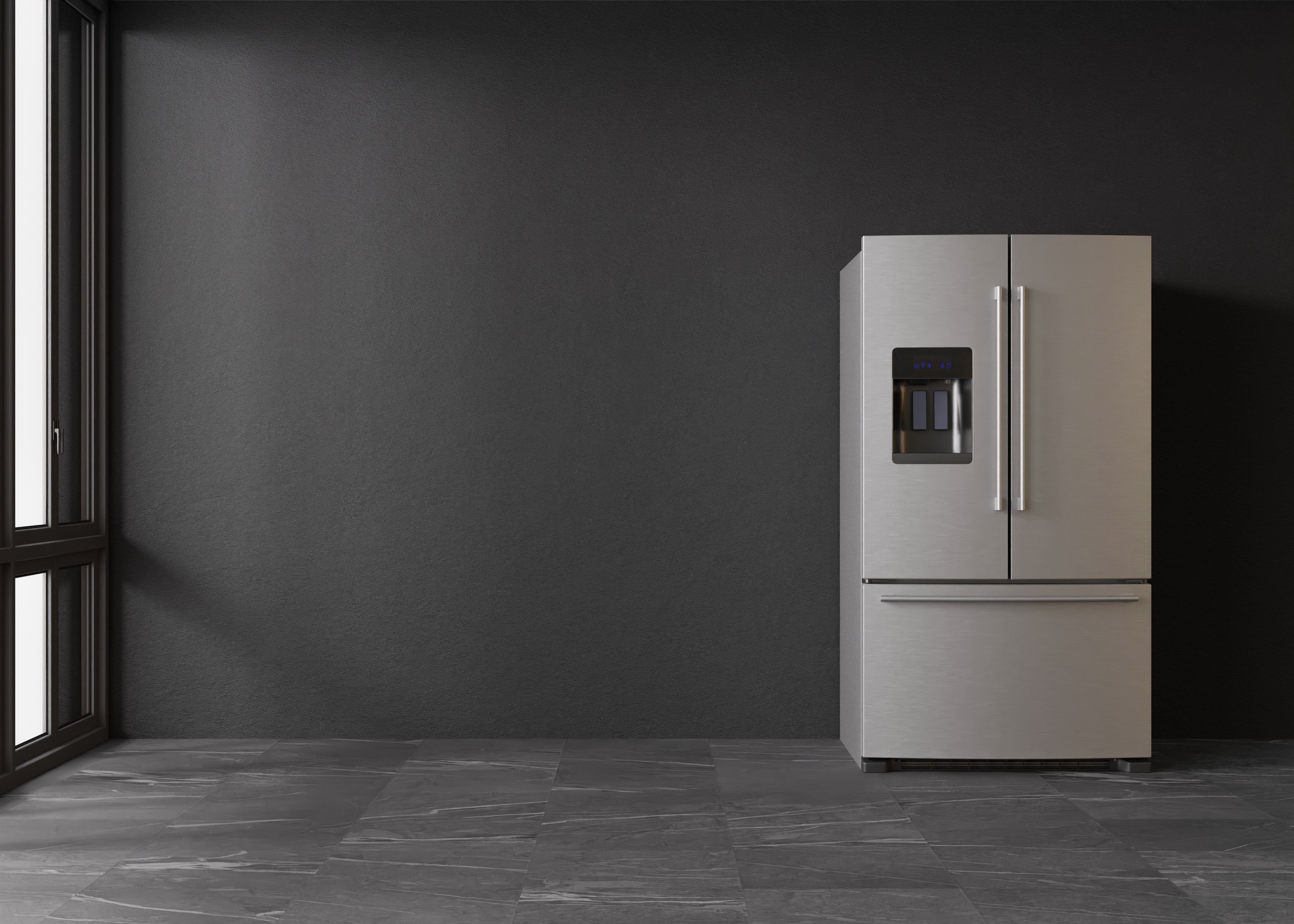
| French Door | Integrates a bottom freezer with double fridge doors, providing ample area and contemporary looks. |
| Compact | Smaller size ideal for minimal spaces or secondary kitchens. |
| Smart Refrigerator | Geared up with innovative innovation for connectivity and convenience, consisting of touch screens and internal cams. |
Picking Your Refrigerator Type
- Area Availability: Measure the area where you prepare to position the refrigerator, considering door openings and clearance.
- Storage Needs: Think about your usual grocery shopping practices and meal preparation.
- Design Preferences: Consider the cooking area's looks-- contemporary, conventional, or minimalist.
Key Features to Consider
Apart from type, various features make refrigerators more practical and user-friendly. Here are essential factors to consider:
- Energy Efficiency: Look for Energy Star-rated designs that consume less electricity, conserving you cash in the long run.
- Capability: Measured in cubic feet, ensure the fridge's capability fulfills your home needs. A great general rule is 4-6 cubic feet per adult.
- Adjustable Shelving: Shelving that can be moved or customized to accommodate bigger products can be exceptionally advantageous.
- Humidity Control: Many fridges come with crisper drawers that manage humidity, boosting the durability of vegetables and fruits.
- Water and Ice Dispensers: Added convenience for those who require simple access to drinking water and ice.
- Smart Home Integration: Consider if you desire a fridge that gets in touch with your clever home gadgets for added functionality.
Advantages and disadvantages of Refrigerators with Ice and Water Dispensers
| Pros | Cons |
|---|---|
| Benefit of having ice and water easily available | Possible for leaks or upkeep concerns |
| Conserves area on kitchen area counters for water pitches | Greater initial purchase cost |
| May boost home resale value | Needs access to pipes |
Budgeting for Your Refrigerator
Establishing a spending plan is vital when selecting a refrigerator, as costs can vary substantially based upon brand, type, and features. Here's a breakdown of the normal cost varieties:
| Refrigerator Type | Rate Range (GBP) |
|---|---|
| Top-Freezer | ₤ 400 - ₤ 1,000 |
| Bottom-Freezer | ₤ 600 - ₤ 1,500 |
| Side-by-Side | ₤ 800 - ₤ 2,500 |
| French Door | ₤ 1,500 - ₤ 3,000 |
| Compact | ₤ 150 - ₤ 800 |
| Smart Refrigerator | ₤ 1,500 - ₤ 5,000 |
Tips for Sticking to Your Budget
- Do Your Research: Compare prices across different sellers.
- Search for Deals: Shop during holiday sales or clearance events.
- Focus on Features: Determine which features are necessary vs. good to have.
Often Asked Questions (FAQs)
1. How long do fridges usually last?
Most fridges have a life-span of around 10-20 years, depending upon use and maintenance.
2. Should Cheap Fridges Freezers purchase a clever refrigerator?
If you focus on connection and convenience, smart designs might be worth it. Nevertheless, think about the greater in advance costs and potential maintenance.
3. What upkeep does a refrigerator require?
Regular cleansing of coils, examining door seals, and defrosting freezers (if necessary) are crucial for maintaining a refrigerator's performance.
4. How do I understand if I'm choosing the right size for my refrigerator?
Consider household size, storage requirements, and offered kitchen area area. Follow the general guideline of 4-6 cubic feet of area per adult.
5. Are energy-efficient fridges worth the financial investment?
While initial expenses might be higher, energy-efficient models can save you cash on energy expenses with time.
Picking the best refrigerator involves assessing different elements, including type, features, rate, and your particular needs. Understanding the differences in between designs and thinking about factors such as energy performance will help you make an informed decision. By following this guide and using the provided comparisons and pointers, you will be fully equipped to find a refrigerator that fits your kitchen area and boosts your daily life.
In conclusion, the right refrigerator not only keeps your food fresh however likewise complements your home's aesthetic appeals and performance. Take your time in making this important decision to ensure you select a design that best serves your requirements for many years to come.